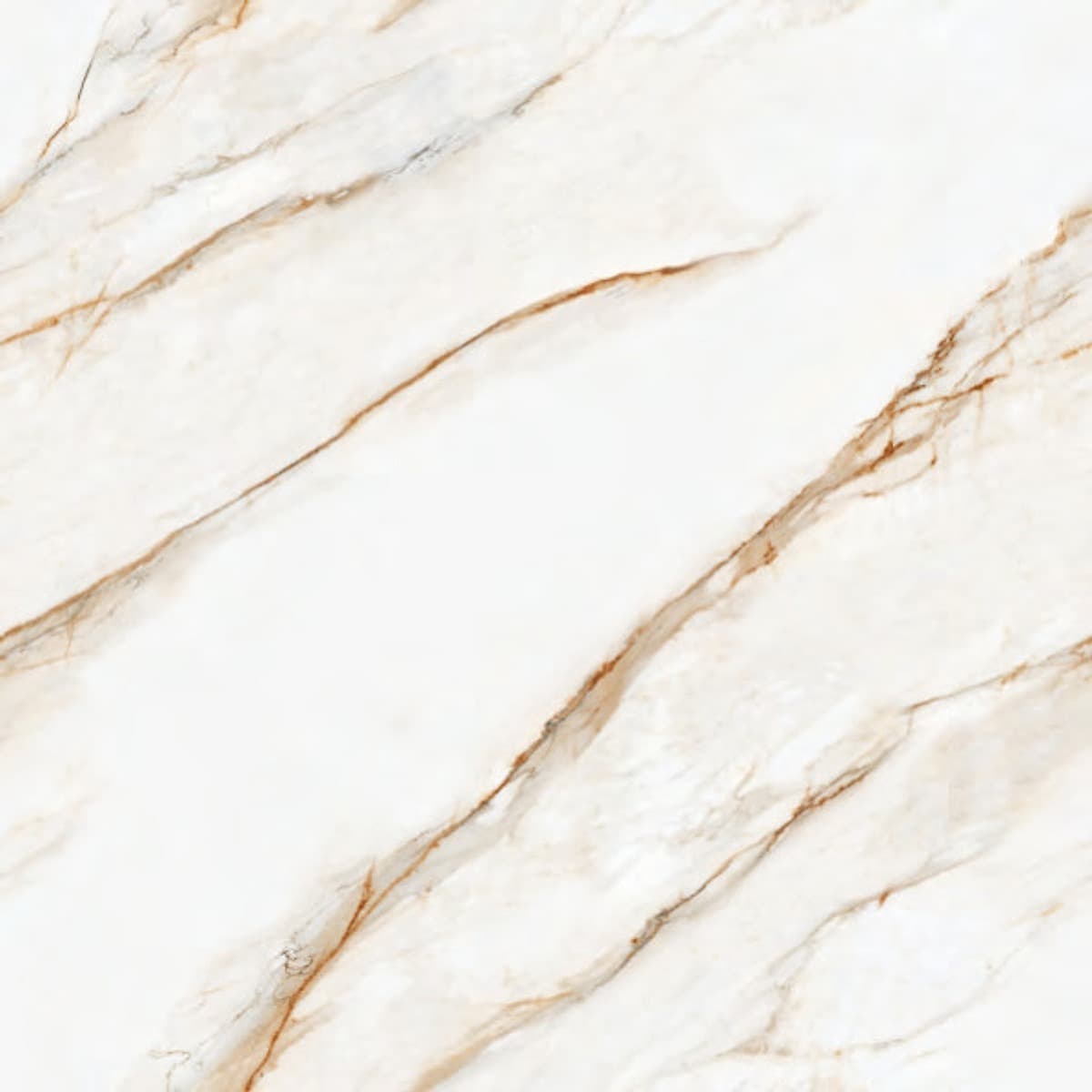
Why choose marble-effect porcelain tiles?
Marble is beautiful, but it's also porous, needs regular sealing, and can etch and stain from something as ordinary as lemon juice or spilled wine. Porcelain marble-effect tiles give you the same veined, elegant look with none of that maintenance. They're non-porous, resistant to scratches and stains, and hold their colour under UV light, so they won't fade near a bright window the way natural stone can. Full-body, rectified porcelain also means the edges are perfectly straight, so tiles sit tighter together with thinner grout lines, letting the veining pattern flow more convincingly from tile to tile across a floor or wall.
Marble-effect tiles for bathrooms
Bathrooms are where marble-effect porcelain earns its keep. Real marble reacts badly to the acidic pH of soaps, shampoos and limescale removers, and constant moisture speeds up staining and mould in the grout. Porcelain shrugs all of that off, so a marble-look floor or shower wall stays looking new with nothing more than routine cleaning. For wet floors, we'd steer you toward a matt or textured finish rather than high-gloss, for better underfoot grip. Browse our bathroom tiles range, or see our guide to choosing the right tile for every room for more on matching finish to space.
Marble-effect wall and floor tiles
The same tile can usually run from floor to wall, which is what gives marble-effect schemes their high-end, seamless feel: a shower floor that continues straight up the wall with no visual break. Large-format tiles help here, since fewer joints mean the veining reads as one continuous slab rather than a repeating pattern. It works just as well outside the bathroom: kitchen splashbacks, hallway floors and feature walls all suit the same treatment. Have a look through our floor tiles and wall tiles ranges to plan a matching scheme.
Matt vs gloss marble-effect tiles
Gloss finishes reflect light and suit smaller or darker rooms where you want a bright, polished feel, though they show water spots more readily and can be slippery underfoot when wet. Matt finishes give a softer, more contemporary look, hide watermarks and footprints better, and generally offer more grip, a sensible default for busy floors. Neither is right or wrong; it comes down to the room and how it's used. Our matt vs gloss buying guide goes into more detail if you're deciding between the two.
Choosing colours: white, grey, beige and gold
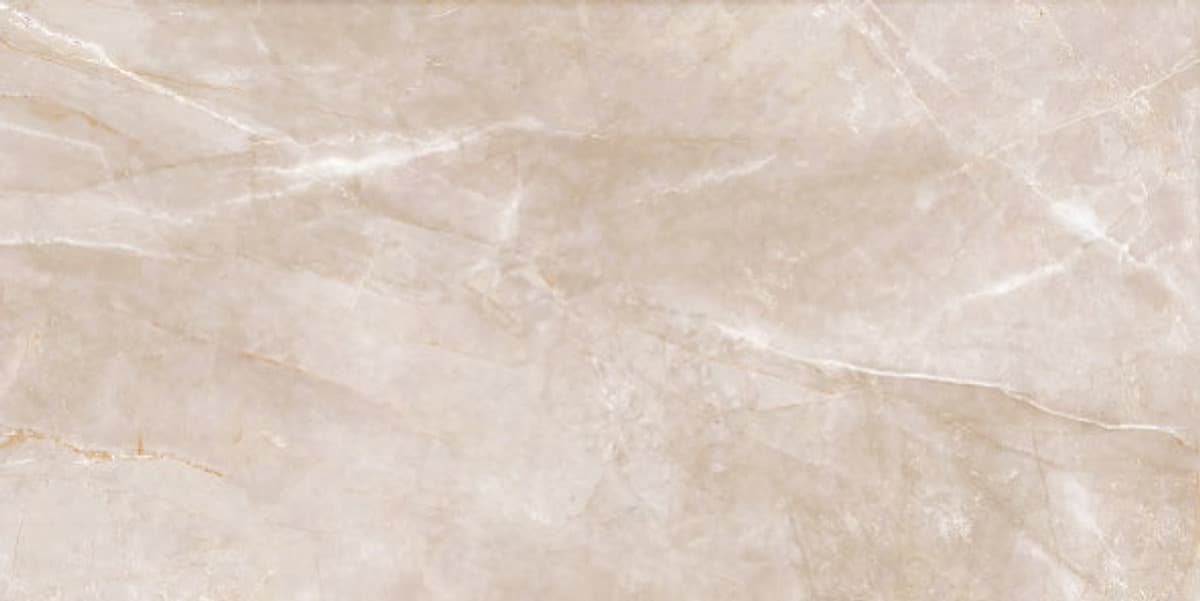
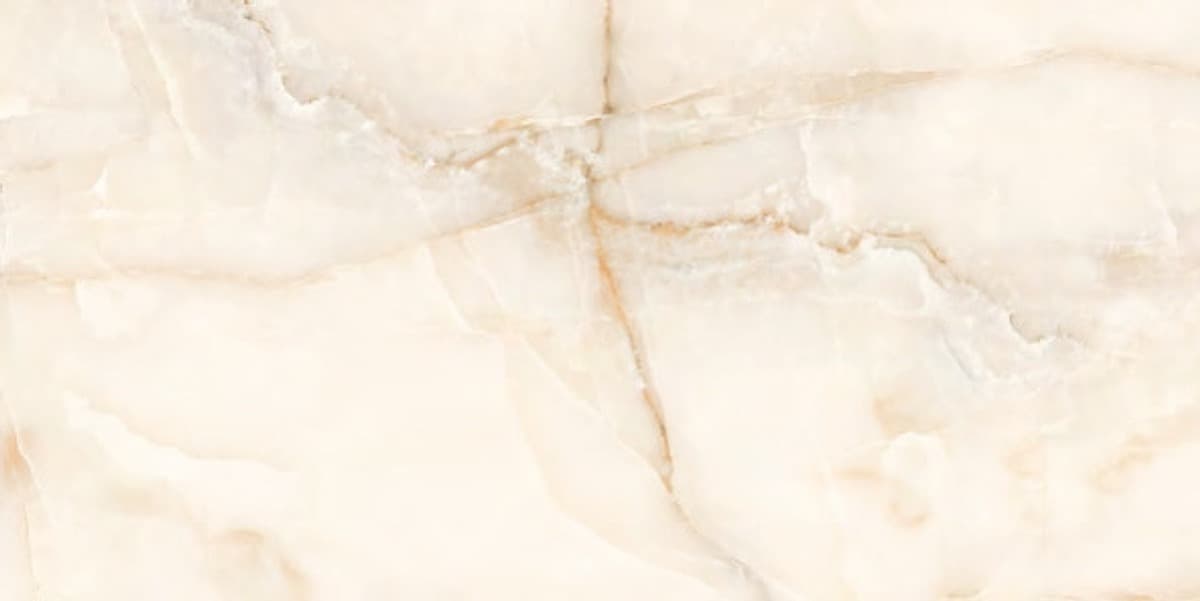
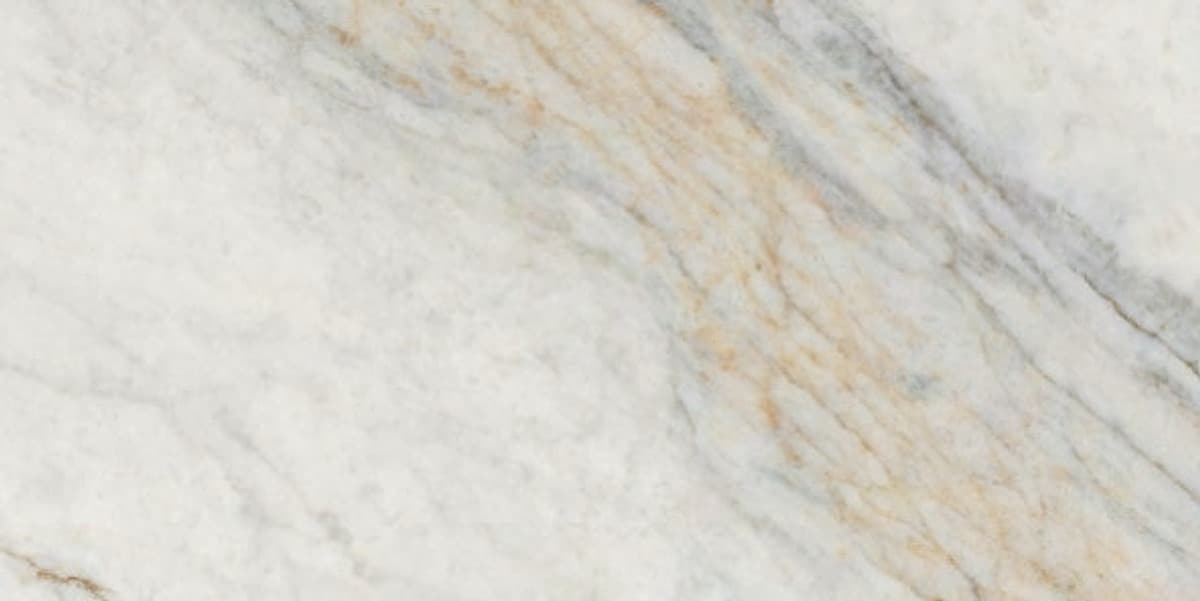
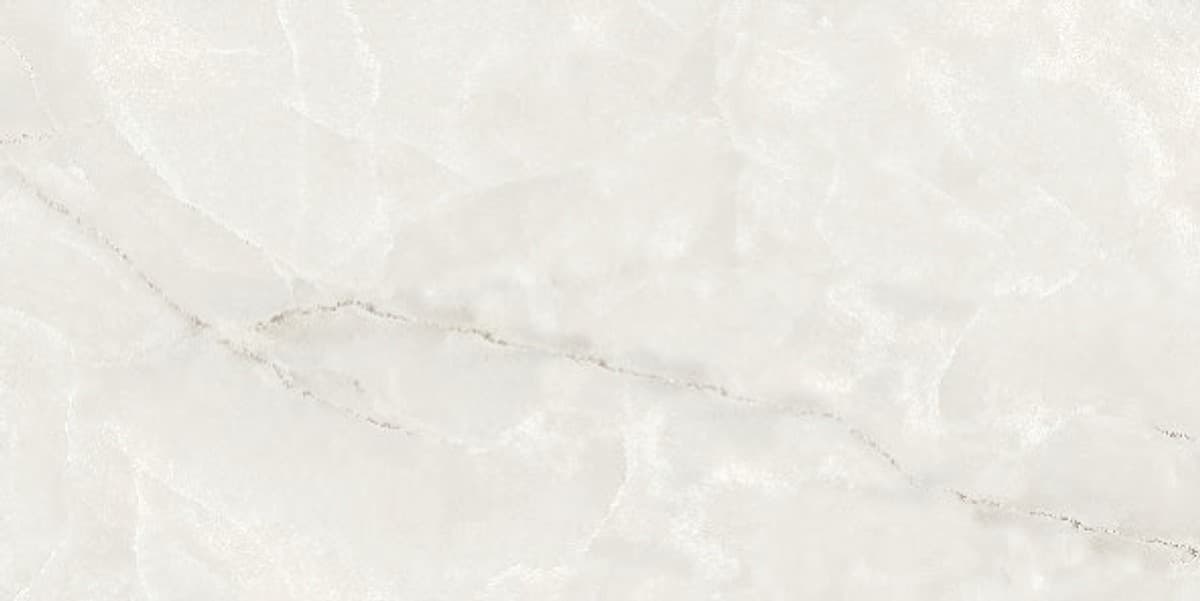
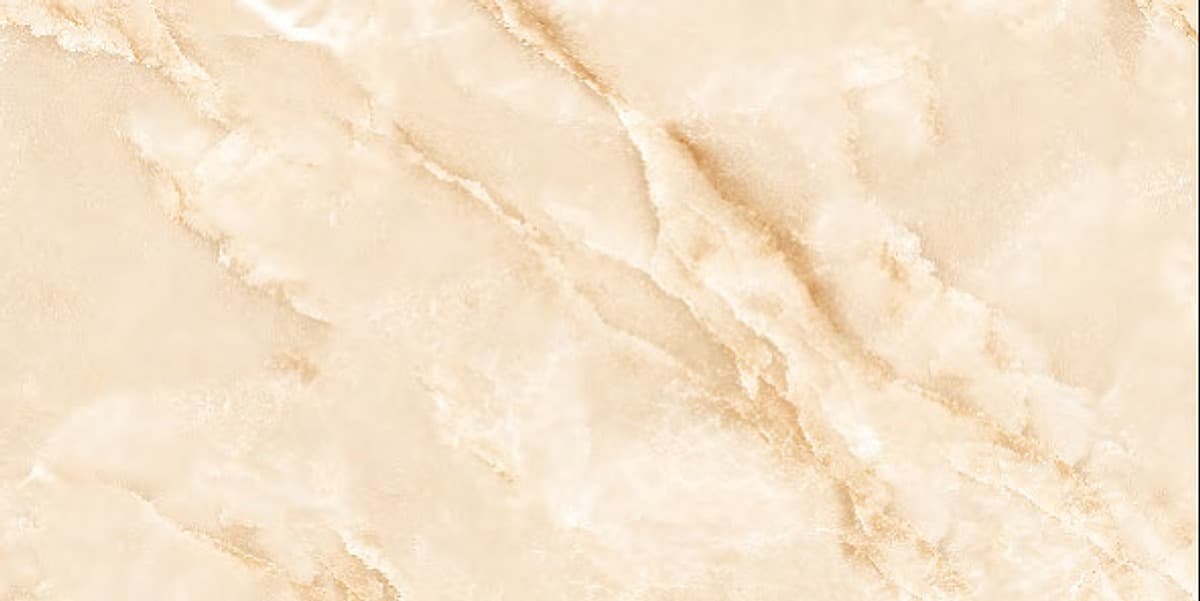
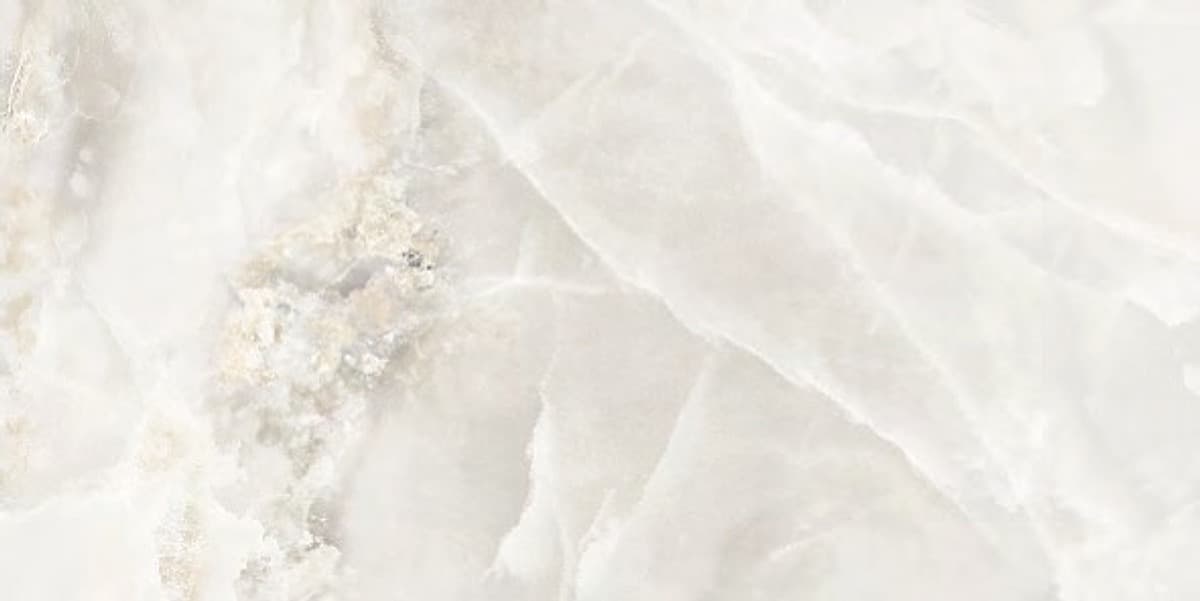
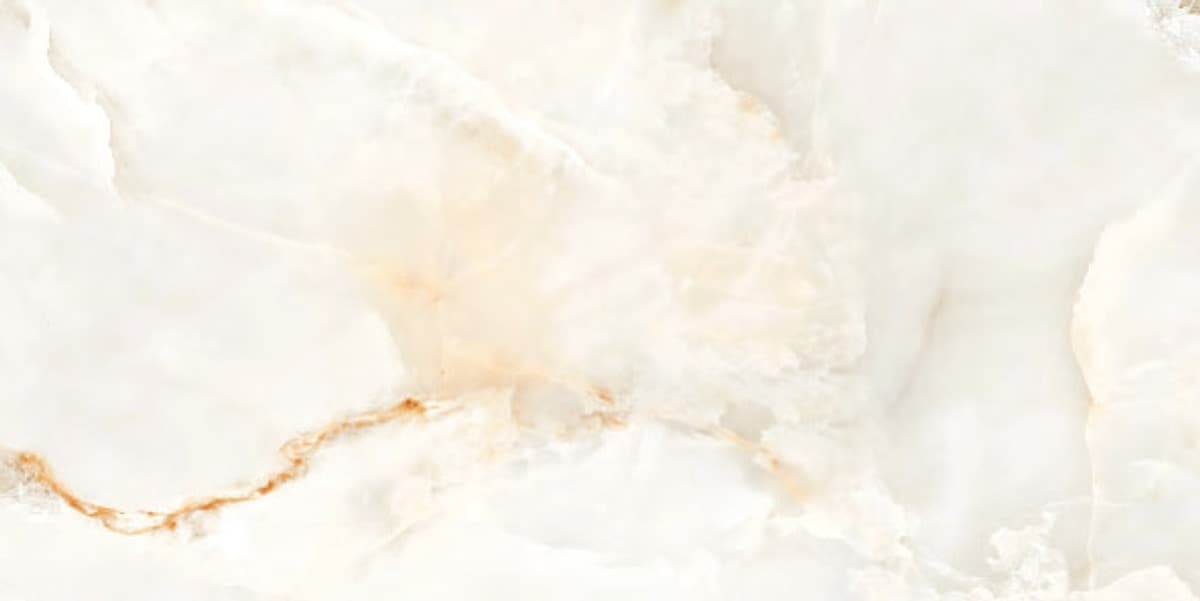
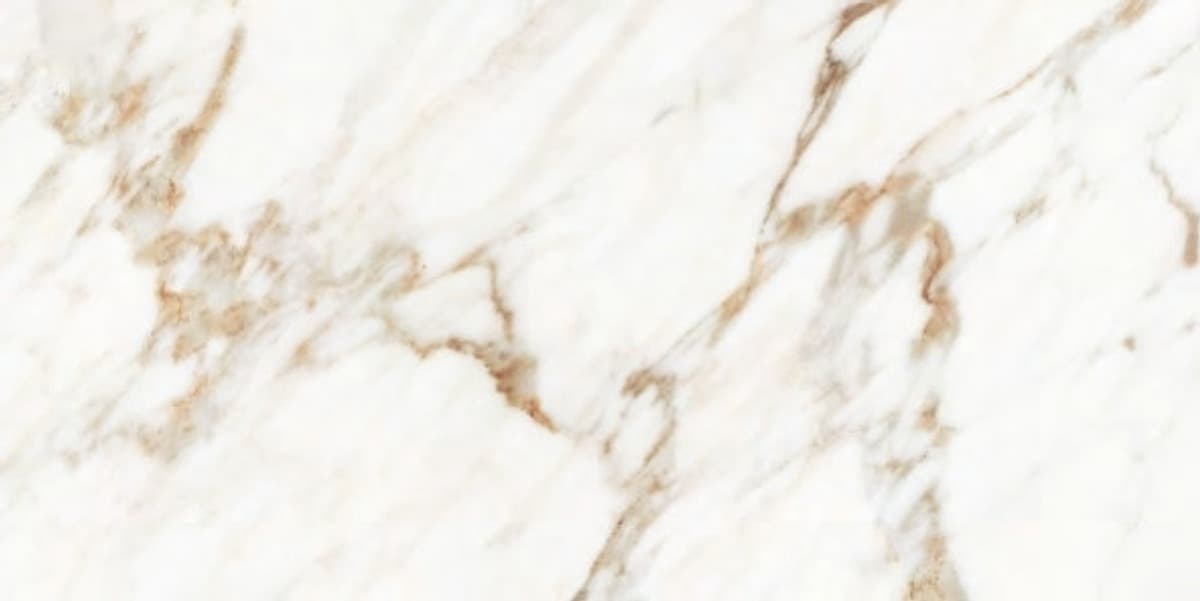
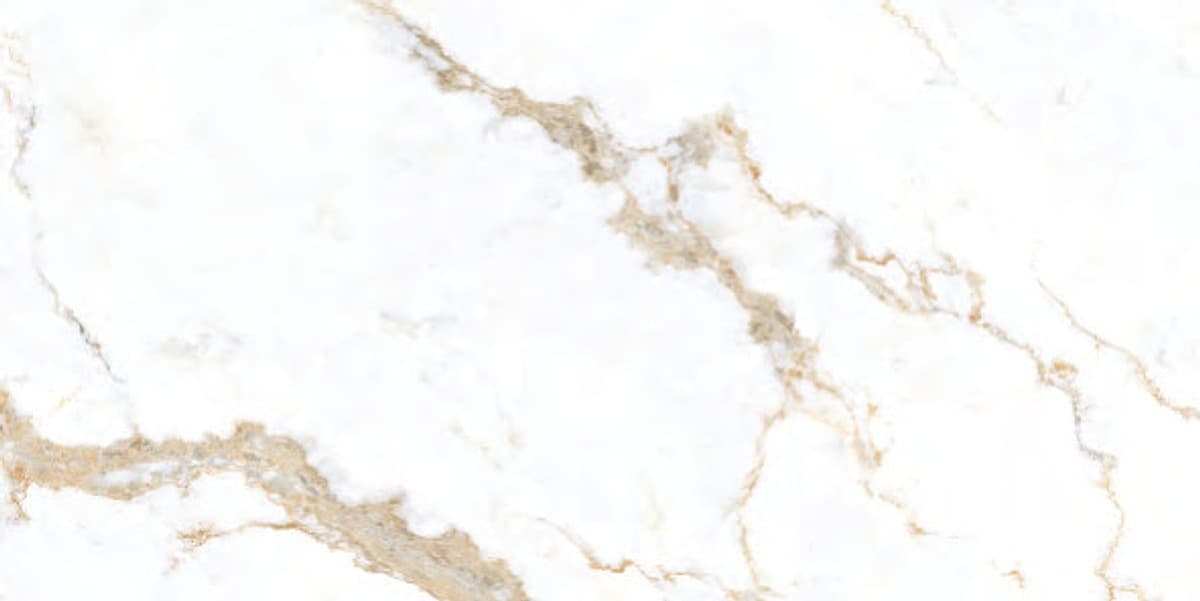
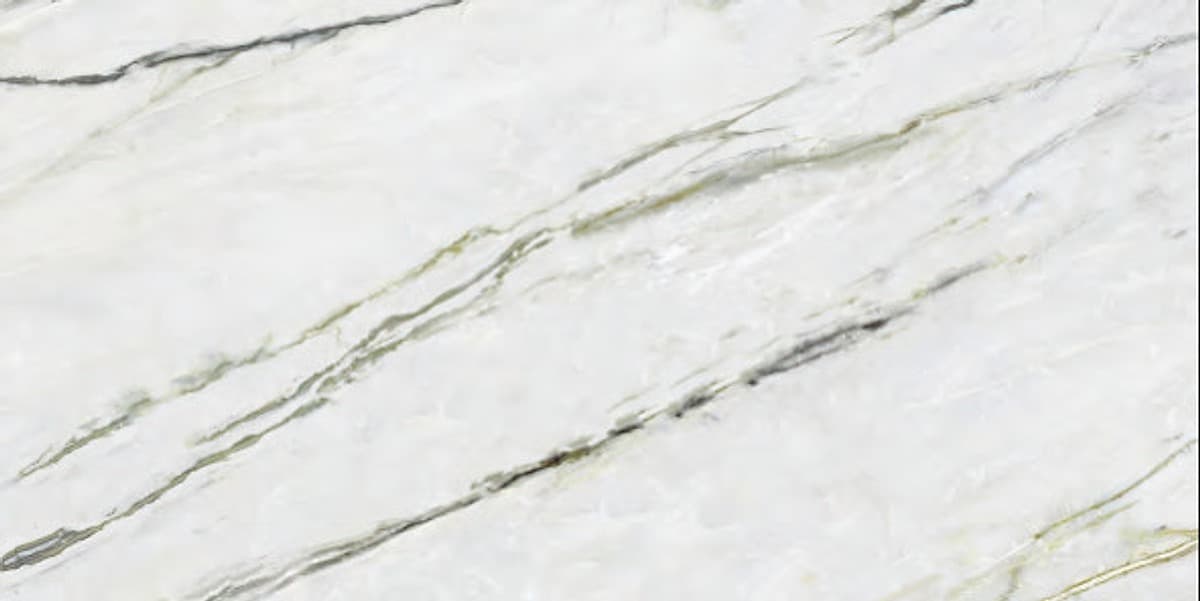
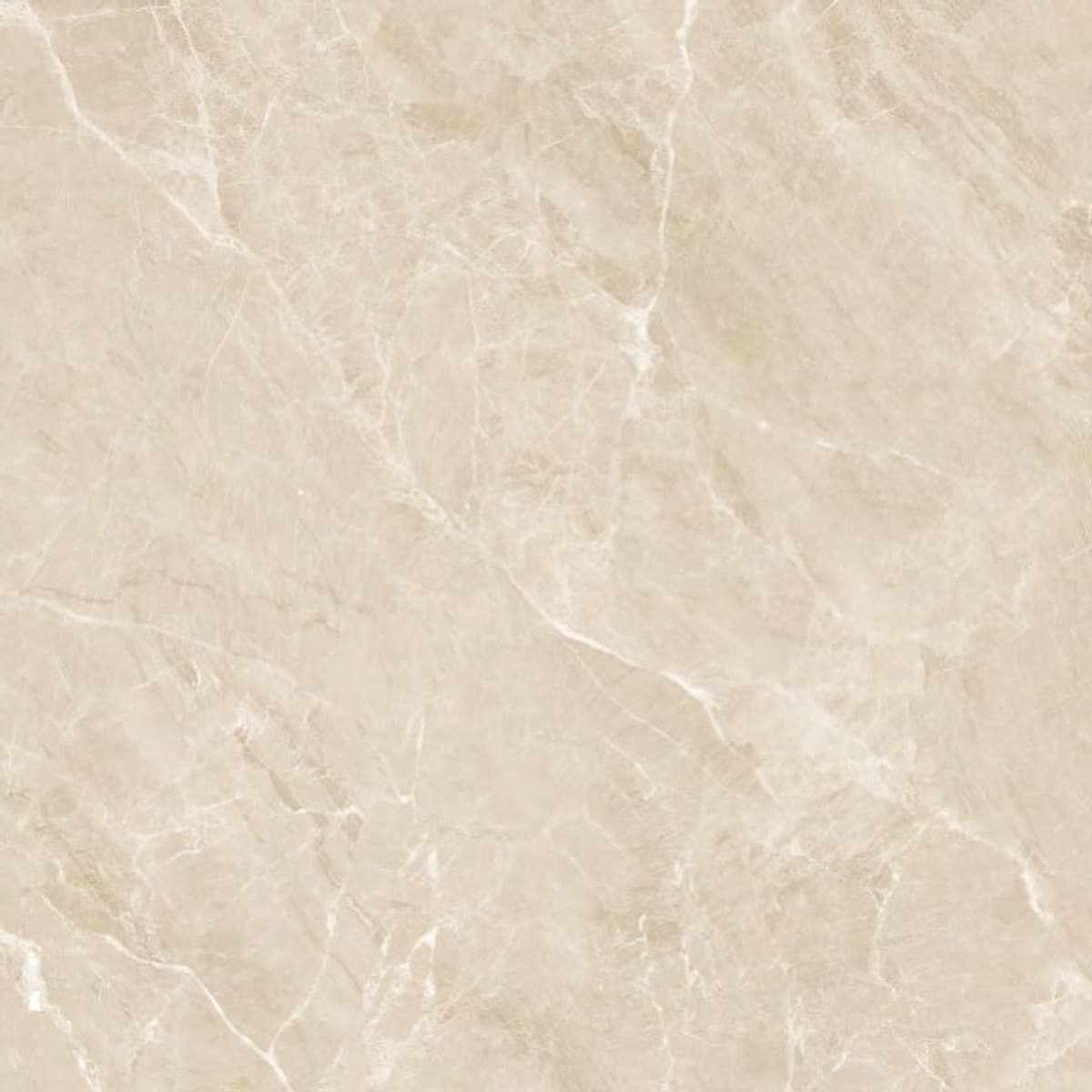
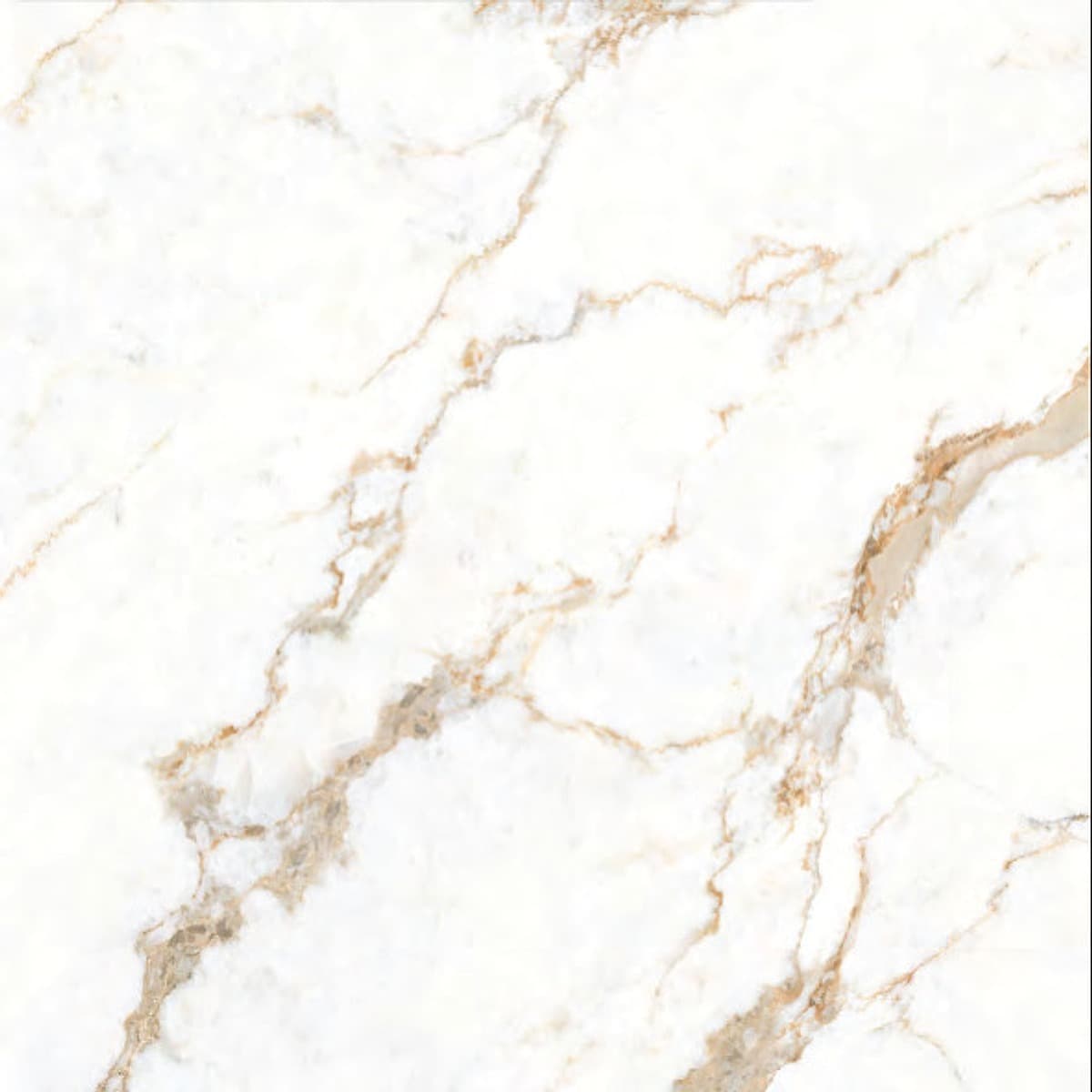
White, Carrara-style veining brightens a small bathroom or galley kitchen and works with almost any colour scheme; try Dune White for a clean, gallery-white base. Grey, Statuario-style marble adds contrast and pairs well with black or brushed brass fittings, as seen in our Melody Gris tile. Beige and warm-toned marble, like Cloudy, suits a softer, more traditional palette. For a statement piece, gold-veined tiles such as Gold Pearl bring a genuinely luxury feel to a feature wall or island splashback. Whichever you choose, a grout colour close to the tile's base tone keeps the veining as the focal point.
What size marble-effect tile should I choose?
600x1200mm is our most popular marble-effect format: large enough to minimise grout lines and let veining flow convincingly, while still practical to handle and cut on site. Bigger slab-format tiles push that further for open-plan floors, while smaller formats can suit a compact bathroom or a feature wall where a large tile would need too much cutting around fittings. Our guide to tile sizes and layout patterns covers how format affects the finished look in more detail.
How many tiles do I need?
Tiles are sold in full boxes, and we round up automatically so you're never short mid-project. Use the tile calculator on any product page: enter your room dimensions and a wastage allowance (we'd suggest 10% for a straightforward layout), and it works out the exact number of boxes and total coverage for you. See our guide to measuring and wastage for the full method.